


Military Police Must Reevaluate PME to Prepare for LSCO and our Role in Protection
Military Police Must Reevaluate PME
to Prepare for LSCO and our Role in Protection
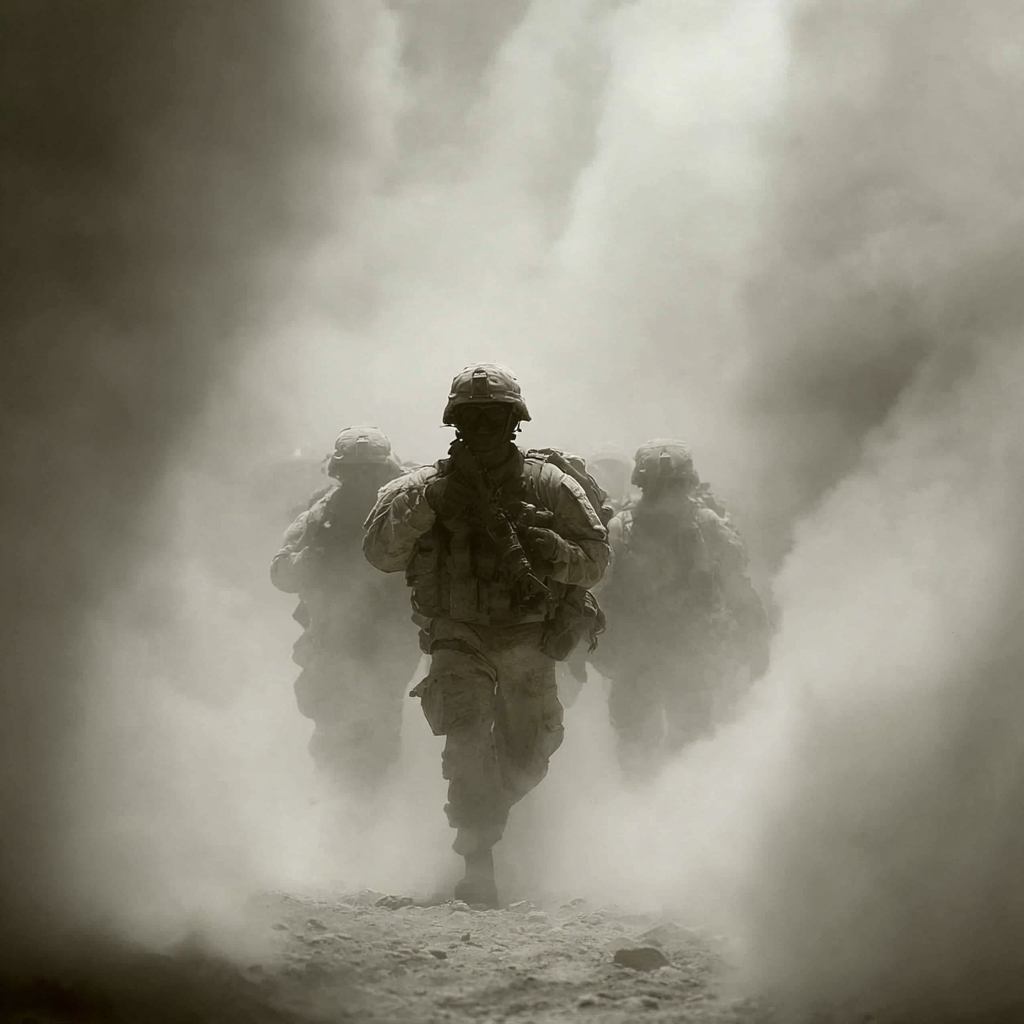
(AI Generated Graphic)
As military police observer/coach/trainers (OCTs) at the Joint Readiness Training Center (JRTC), we possess a unique, ground-level insight into how military police units prepare and perform in support of brigade combat teams (BCTs) during large-scale combat operations (LSCO). We have identified persistent and critical gaps in the way military police understand, plan, and execute protection missions. These gaps pose significant risks to the survivability and operational effectiveness of the force. There must be a decisive transformation in military police professional military education (PME) to equip our Soldiers and leaders to fully own the protection warfighting function (WFF) across all echelons, environments, and threat spectrums.
A recurring challenge is that military police often narrow their mission understanding to ‘security’ tasks guarding critical sites or conducting area and convoy security. This mindset is limiting and insufficient for the LSCO environment. Protection is a WFF that extends far beyond static security; it is an integrated, maneuver-enabling effort that preserves combat power and shapes the battlefield in coordination with the broader brigade fight. Military police at the company level and below frequently lack a comprehensive understanding of how their security missions contribute to the brigade commander’s priority protection list (PPL), which includes critical assets such as radar systems, command posts, sustainment hubs, and engineer units tasked with obstacle emplacement, breaching, and reverse breaching. This lack of integration inhibits military police from effectively allocating and employing forces in ways that reinforce brigade defensive, offensive, and shaping operations.
(AI Generated Graphic)
A concrete example lies in convoy security for engineer assets supporting obstacle emplacement. Military police leaders often do not appreciate how these obstacles influence enemy avenues of approach or how critical engineer survivability is to the brigade’s defensive scheme. Consequently, military police default to linear convoy formations or static guarding methods, which are vulnerable to enemy reconnaissance, unmanned aerial systems (UAS), indirect fires, and maneuver threats. Instead, military police must be trained and equipped to conduct maneuver-oriented protection employing forward screening elements, layered defenses, coordinated fires, observation posts, and rehearsed displacement plans that align with the brigade’s defensive concept. This requires deep integration into brigade-level tactics and planning and a larger understanding of the battlefield.
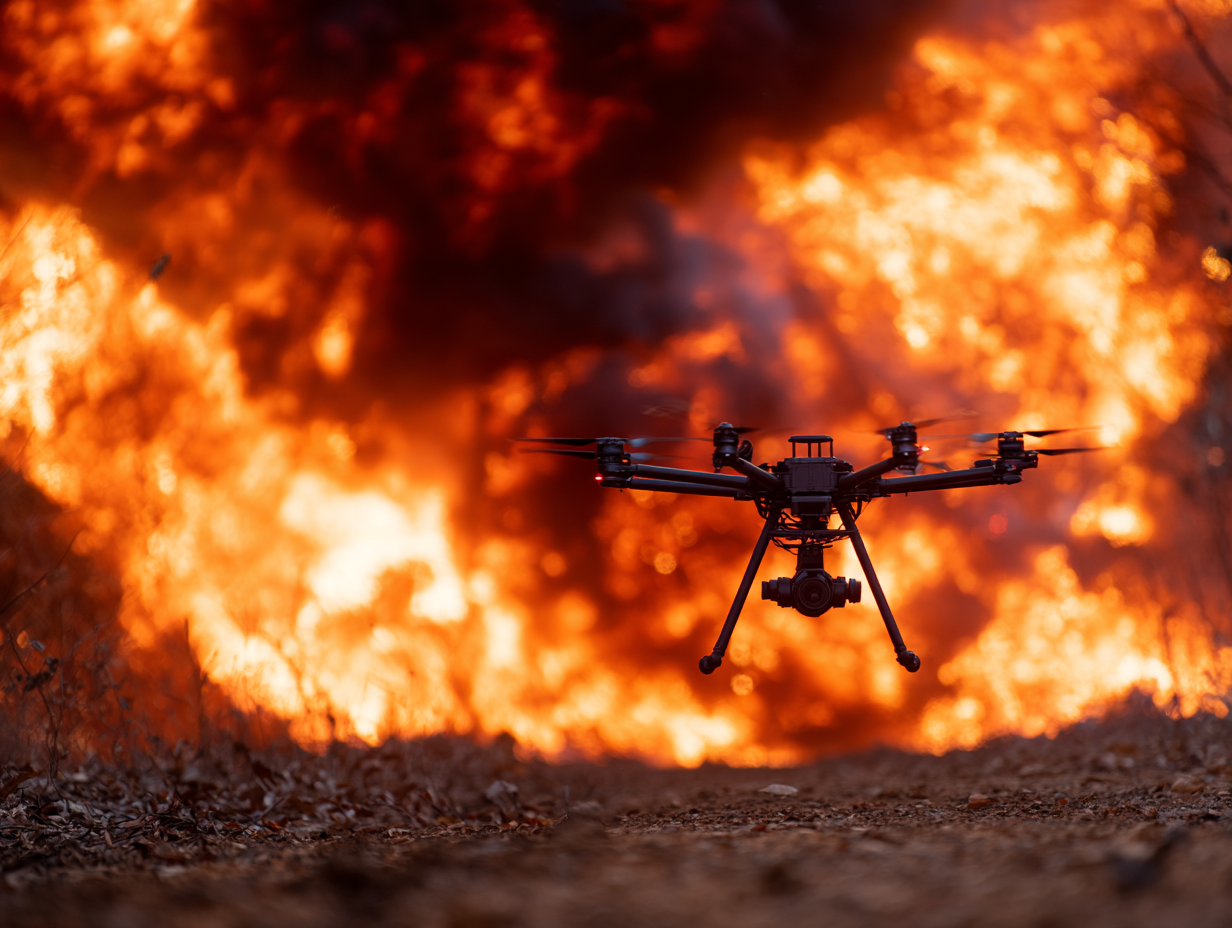
Moreover, the evolving LSCO threat landscape demands that military police master survivability and countermeasures across a broad spectrum of challenges. Our forces are increasingly exposed to advanced drone reconnaissance and attack capabilities, electronic warfare, and precision indirect fires. Yet, most military police formations lack early warning detection for drones, organic counter-UAS capabilities, and effective methods for heat signature suppression or electronic signature management. Current military police doctrine and equipment are insufficient to meet these threats. PME must incorporate training on emerging technologies and tactics that enable military police to detect, deter, and engage these multidomain threats proactively, rather than reactively, and enhance the formations capability to increase their survivability through tactics, techniques, and procedures (TTPs) and field craft.

(AI Generated Graphic)
A key enabler to overcoming these gaps is enhanced understanding and integration of brigade-level tactics. We consistently observe that military police leaders focus narrowly on their immediate mission tasks without sufficient knowledge of the brigade fight; for example, lack of understanding the prioritization of protection assets on the PPL for the brigade. Understanding how to align military police protection forces with brigade defensive schemes, shaping operations, and engineer tasks is what separates capable leaders from truly effective ones. This “think brigade” mindset must be embedded at every level of PME, especially at the Captains Career Course and senior leadership courses, where planning and integration skills become paramount as protection enablers.
Military police also require significantly improved PME focused on the enemy’s TTPs in LSCO. This includes not only conventional enemy forces but also special-purpose forces that pose unique and lethal threats to critical sites and movement corridors. Understanding how these adversaries operate whether in subterranean infiltration, urban close-quarters tactics, electronic warfare, or advanced reconnaissance will allow military police leaders to anticipate and counter their actions effectively. PME must provide detailed instruction on enemy doctrine, capabilities, and recent operational patterns, ensuring that military police are not caught unprepared by evolving threats and can effectively defeat them.
Another critical dimension is the operational environment. Military police must be prepared to conduct protection operations in all environments subterranean, urban, austere, and complex terrain supporting both maneuver brigade combat teams (MBCTs) and armored brigade combat teams (ABCTs) within their assigned areas of operation (AOs). Each environment presents unique challenges that require tailored TTPs. Urban terrain demands mastery of population-centric operations and complex mobility; subterranean operations require expertise in confined spaces and layered concealment; austere environments test logistical flexibility and vehicle survivability; and complex terrain requires effective sensor employment and force coordination. PME must reflect this complexity by preparing military police to adapt their protection approaches accordingly.
We also recommend reevaluating traditional TTPs, such as convoy security formations. For example, rather than moving as a static three-truck convoy, military police may employ a lead-screening element that advances ahead of the main body, actively identifying and engaging threats early to prevent surprise contact. Such innovative tactics better align with the dynamic and lethal environment of LSCO and should be incorporated into PME and training.
Finally, alongside doctrinal and educational reforms, United States Army Military Police School (USAMPS) must advocate for material modernization within military police units. Early warning systems, organic counter-UAS platforms, thermal and electronic signature management tools, and light antiarmor weapon systems are essential to equip military police with the capabilities needed to succeed in LSCO. Without matching equipment and capability, even the best training will fall short of enabling military police to decisively protect critical assets and personnel.
In summary, the JRTC military police OCT team believes in the need for a comprehensive transformation of military police PME that fully embraces and owns the protection WFF. This transformation must move military police beyond static security postures toward integrated, maneuver-enabling protection operations that support the brigade fight in all environments and against all threats. By evolving education, doctrine, tactics, and equipment, USAMPS can ensure that the Military Police Corps remains a critical and credible force multiplier on future battlefields.
About the Author
Captain Maule is the Military Police Team Senior Observer Coach Trainer at the Joint Readiness Training Center, Fort Polk. He holds a bachelor’s degree in criminal science from Central Washington University, Ellensburg, and a master’s degree in organizational security management from Webster University.
Disclaimer 1: The contents of this article do not represent the official views of, nor are they endorsed by, the U.S. Army, the Department of War, or the U.S. government.
Disclaimer 2: This article was edited with the assistance of AI tools, and subsequently reviewed and edited by relevant Department of War (DOW) personnel to ensure accuracy, clarity, and compliance with DOW policies and guidance.